Read aloud by your device's voice. It sounds different on each device.
The abbey
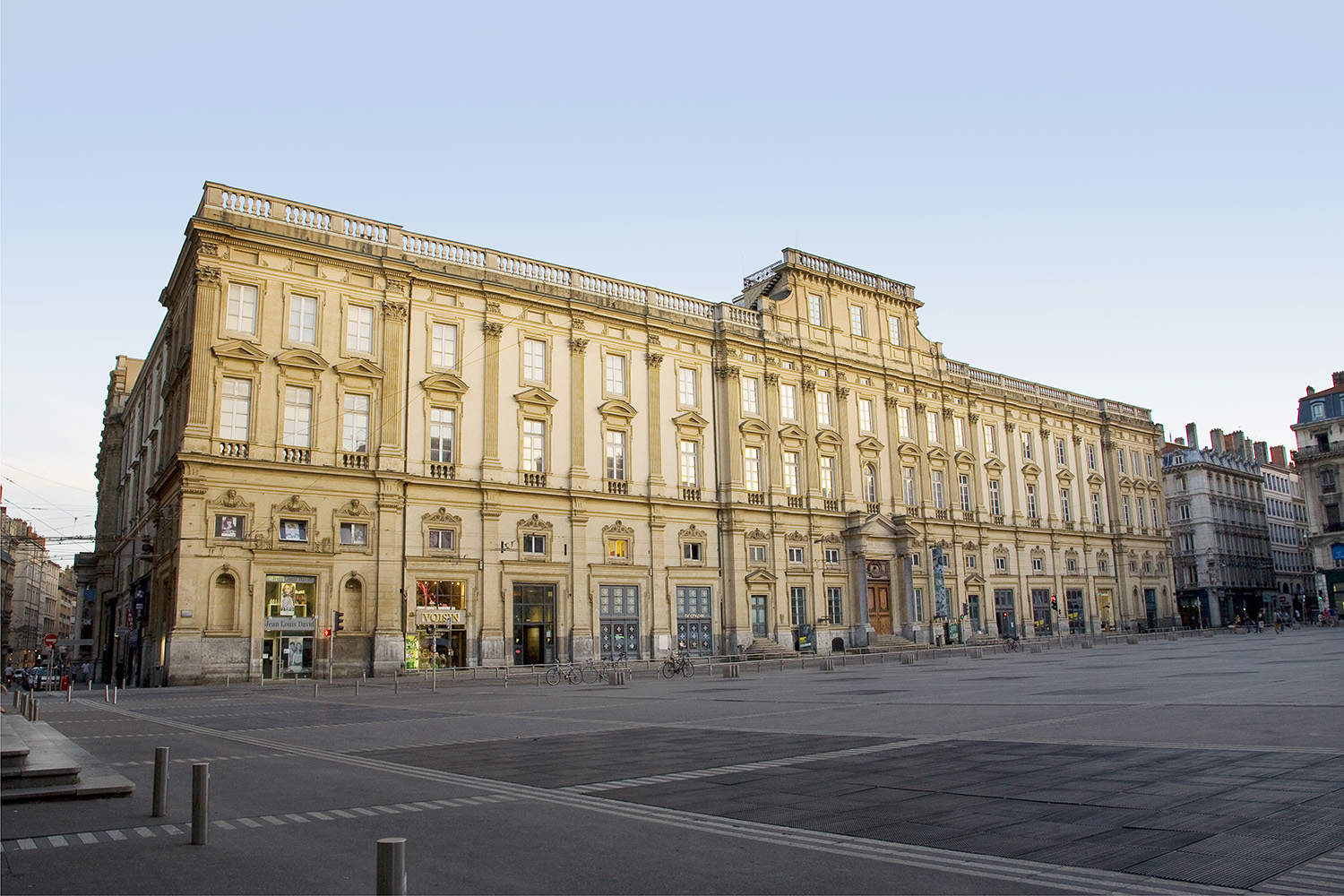
The museum is in a royal abbey for noblewomen
Until 1792 the buildings belonged to the Royal Abbey of Saint-Pierre-les-Nonnains. The abbess always came from the high French nobility. The present state of the Palais Saint-Pierre is largely down to renovations in the 17th and 18th centuries.
Silk
A drawing school here fed Lyon's silk factories with designers
After the Revolution the buildings housed the Palais du Commerce et des Arts. The imperial drawing school was created there in 1805 to provide Lyon's silk factories with designers, giving birth to the famous Lyon School.
The collection
Paintings from the 14th century to the mid-20th hang in 35 rooms
The paintings department has European paintings from the 14th to the mid-20th century, arranged chronologically and by major school in 35 rooms. The collections range from ancient Egyptian antiquities to the Modern art period.
The cloister
The old cloister is a garden with two Rodin sculptures
At the heart of the abbey, the former cloister is now a municipal garden in the centre of the town. It is decorated with several 19th-century statues, among them two by Auguste Rodin: The Shadow, or Adam, from 1902, and The Temptation of Saint Anthony, from 1900.
Restored
It stayed open to visitors through a ten-year restoration
The museum was restored between 1988 and 1998, and remained open to visitors throughout the work. The building acquired its present layout in the mid-1990s, after the completion of several restoration projects.
Day 3, afternoon
It comes after Place Bellecour. Then Place des Terreaux.
More stories from this trip idea
The words are a retelling of the Wikipedia article Museum of Fine Arts of Lyon, and are shared under CC BY-SA 4.0. They are checked against those articles, and a fact that is not in them is left out.